Safe Medical Transportation for a Loved One With Dementia or Memory Loss
Looking for safe medical transportation for a loved one with dementia or memory loss? Learn what to look for in Miami-Dade and Broward.
Getting to a doctor’s appointment is hard for anyone who is unwell. For a person living with dementia or memory loss, it can be overwhelming. Unfamiliar places, changes in routine, and confusion about where they are going can turn a simple trip into a frightening one, for them and for you.
If you are looking for medical transportation for a loved one with dementia in Miami-Dade or Broward County, this guide covers the risks, what to look for in a provider, and how to prepare so every ride is calmer and safer.
Why Standard Rides Often Fall Short for People With Memory Loss
Rideshare apps and taxis are built for passengers who can give directions, follow instructions, and speak up if something feels wrong. A person with dementia may not be able to do any of that. If you are weighing your options, our comparison of NEMT transport vs. Uber explains the differences in detail.
Common risks include:
- Wandering or exiting the vehicle. Confusion can lead a passenger to open the door at a stop or leave the car at the wrong location.
- Getting dropped at the wrong place. A driver who does not know the passenger’s needs may leave them at the curb with no one to receive them.
- Distress during the ride. Agitation, anxiety, and repeated questions are common, and untrained drivers may not know how to respond.
- Missed appointments. A passenger who refuses to leave home or gets confused at pickup can derail an entire day of care. See how NEMT transport fixes missed appointments.
Professional non-emergency medical transportation (NEMT) is designed to close these gaps.
What Safe Dementia Transportation Looks Like
Not every transport company is prepared for passengers with cognitive decline. Here is what to look for.
Trained, Patient Drivers
Drivers should understand how dementia affects communication and behavior. That means speaking calmly, giving one simple instruction at a time, and never rushing a passenger who is confused or slow to respond. At ATC, every driver is trained specifically for medical transport, including patient assistance and professional conduct on every trip.
Door-Through-Door Assistance
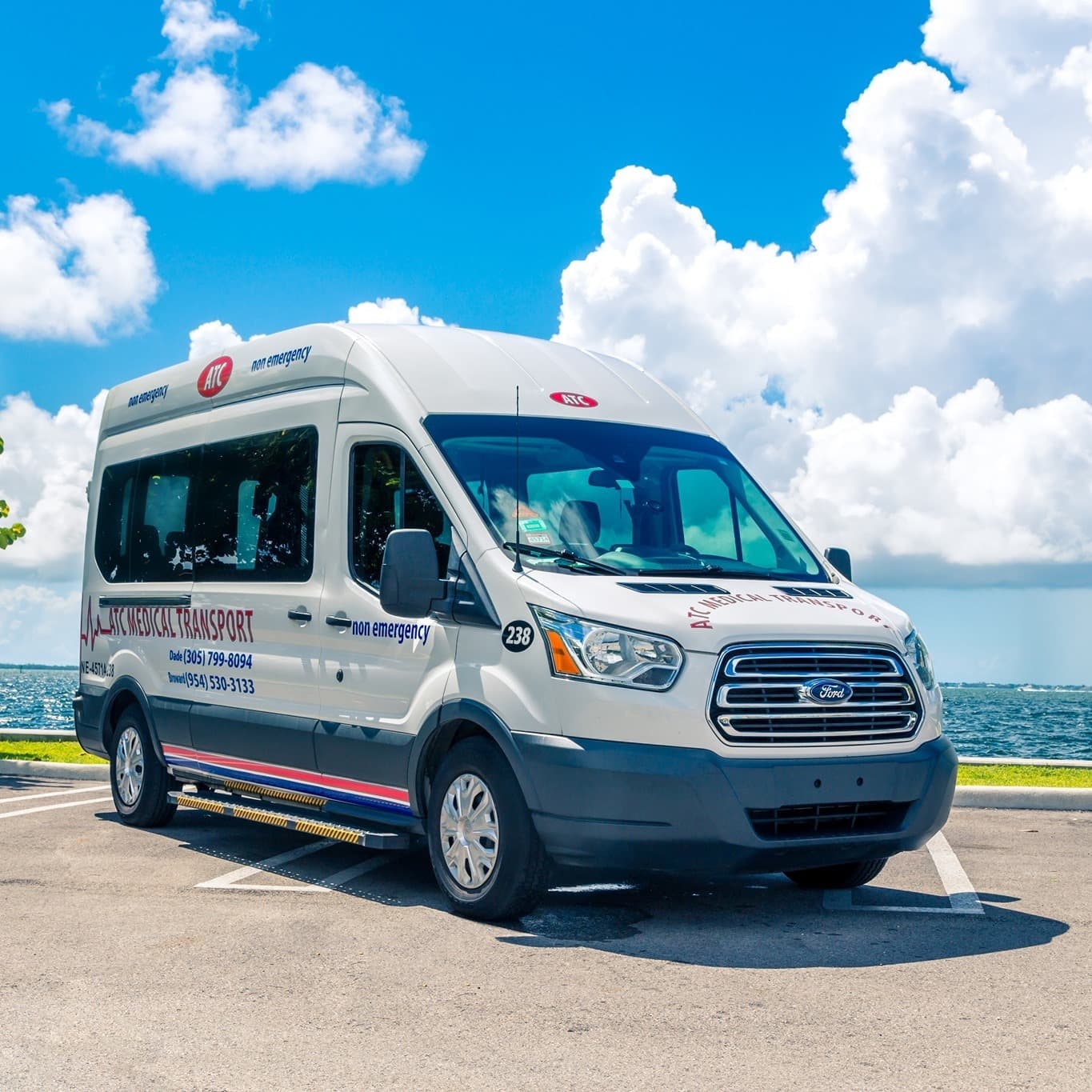
Curb-to-curb service is not enough. A person with memory loss needs someone to help them from inside the home to the vehicle and from the vehicle into the clinic, then reverse the process afterward. Our ambulatory medical transport service is built for passengers who can walk but need a trained driver and hands-on support.
The Right Vehicle for Their Mobility
Dementia often comes with other health conditions. Some passengers also use a wheelchair or cannot sit upright for long trips. Our wheelchair transportation and stretcher transportation options match the vehicle to the passenger’s physical needs. If you are unsure which applies, read wheelchair vs. stretcher medical transport: which do you need? Our ADA-compliant vehicles are equipped for safe boarding and securement.
A Consistent, Familiar Experience
Familiarity reduces anxiety. For loved ones who attend recurring appointments such as therapy, rehab, or dialysis, scheduled rides with a consistent team help a passenger feel more at ease with each trip. See our dialysis transportation service for an example of how recurring trips are confirmed in advance.
Clear Communication With Family
You should know when your loved one has been picked up, when they arrive, and when they are home safely. Reliable updates give caregivers peace of mind, especially if you cannot ride along.
How to Prepare Your Loved One for a Medical Trip
A little planning makes a big difference.
- Schedule at their best time of day. Many people with dementia are clearer and calmer in the morning. Avoid late afternoon if evening restlessness is an issue.
- Share key details with the transport team. Tell them about mobility needs, triggers, communication preferences, and anything that calms your loved one.
- Keep the explanation simple. Say “We’re going to see Dr. Lopez today” rather than a long explanation that may cause confusion.
- Bring comfort items. A familiar jacket, a favorite snack, or a small object can help during the ride.
- Have a caregiver meet them at the destination. If you cannot ride along, arrange for someone to meet your loved one at the clinic or at home on return.
- Pack essentials. Medication list, ID, insurance card, and appointment details should travel with them.
Signs It May Be Time for Professional Transportation
If you are asking whether your loved one can still travel safely with family, watch for these signs:
- They become distressed or combative in the car
- They have tried to open the door or leave the vehicle
- They no longer recognize their destination or the people helping them
- You are missing work or exhausted from managing every appointment
- They have recently left the hospital and need extra support, which our hospital discharge transportation service is built for
Our post on 12 signs your elderly parent needs non-emergency medical transport walks through more warning signs. If your loved one needs to travel for specialized memory care outside the county, we also offer long-distance medical transportation anywhere in Florida.
Frequently Asked Questions
Can a person with dementia ride alone with an NEMT driver?
It depends on the stage of dementia and the provider’s policies. Many people with mild to moderate memory loss ride safely with a trained driver who provides door-through-door help. For more advanced cases, a family member or aide often rides along. Tell the provider about your loved one’s needs when you book so they can recommend the safest option.
Does medical transportation cover appointments for memory care?
Yes. NEMT can take your loved one to neurology visits, memory clinics, primary care, therapy, imaging, and other medical appointments. Our guide on how to book NEMT in Miami-Dade and Broward County walks through the process step by step.
Can a caregiver or family member ride along?
In most cases, yes. Having a familiar face in the vehicle can reduce anxiety. Confirm availability when you schedule.
How far ahead should I book?
As early as possible, ideally several days before the appointment, so the team can plan the right vehicle and assistance level. For same-day or urgent needs, call us directly. We are available 24/7, including weekends and holidays.
How do I choose a transportation provider for someone with memory loss?
Ask about driver training, door-through-door service, communication with caregivers, and experience with cognitive conditions. Our guide to 5 things to look for when choosing a medical transportation company in South Florida covers the key questions to ask.
Dependable Dementia Transportation in Miami-Dade and Broward
Caring for someone with memory loss is demanding, and you should not have to handle every trip alone. ATC Medical Transport is a family-owned NEMT provider that has served Miami-Dade and Broward County since 2014, with trained drivers and ADA-compliant vehicles available around the clock.
Ready to arrange a safe, calm ride for your loved one? Book a ride or contact our team today, or call 305-799-8094.